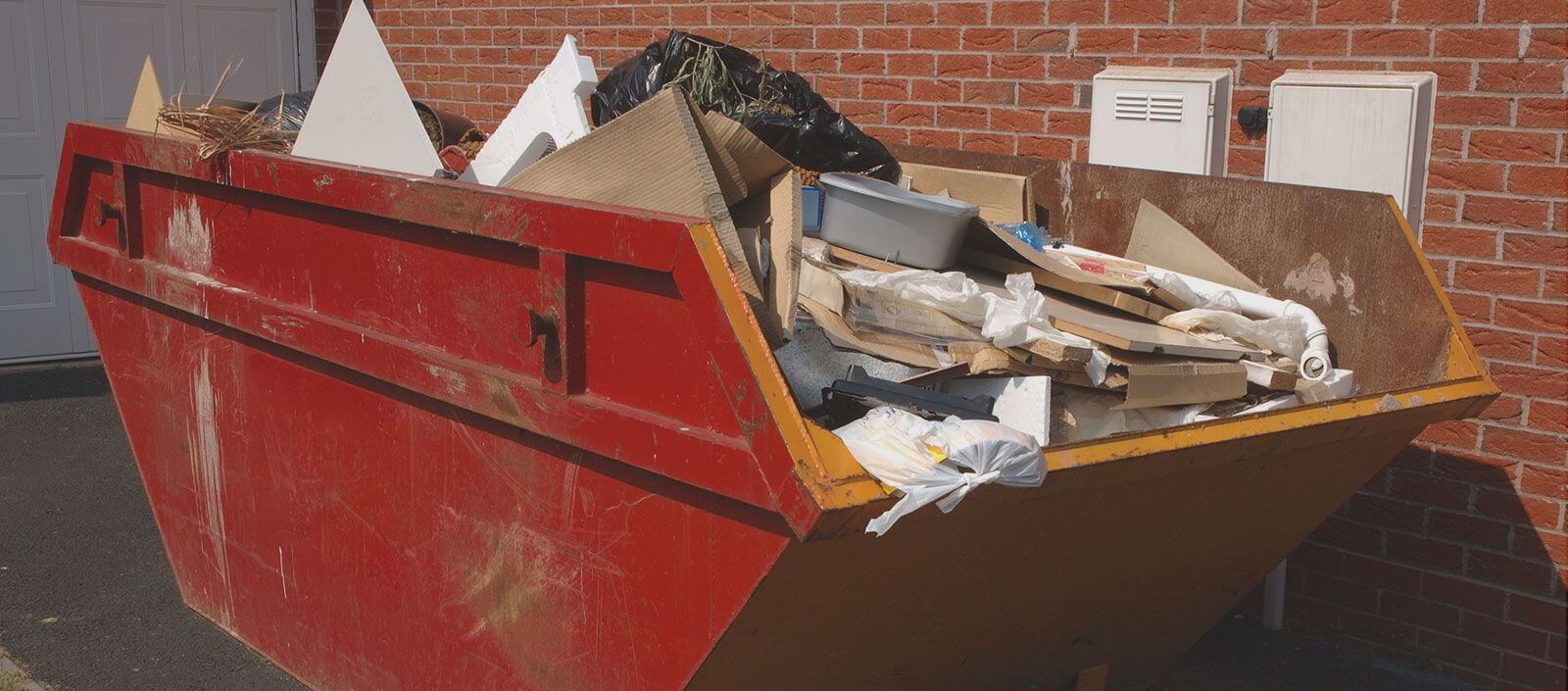
Twickenham rubbish removal costs explained
Posted on 27/07/2026

If you've ever looked at a pile of unwanted rubbish in the garage, loft, garden, or front room and wondered what it would actually cost to clear it, you're not alone. Twickenham rubbish removal costs explained properly can save you money, reduce stress, and help you avoid the awkward surprise of a price that seems to grow once the van arrives. Truth be told, a lot of people only start comparing options once the clutter is already getting in the way.
This guide walks through how rubbish removal pricing usually works in Twickenham, what drives the cost up or down, which services suit different jobs, and where the hidden extras tend to appear. You'll also get a practical comparison table, a step-by-step approach, a checklist, and a few realistic examples so you can make a confident decision rather than a rushed one.
Why Twickenham rubbish removal costs explained Matters
Rubbish removal isn't just about paying someone to take things away. It's about understanding what you're paying for, because the job can vary wildly depending on volume, waste type, access, labour, and disposal method. One small tidy-up in a flat off a busy road is a different beast from a full house clearance with awkward stairs and heavy furniture.
In Twickenham especially, costs can shift because local jobs often involve tighter parking, shared access, or timed collections that require more planning. A quote that looks cheap at first can become less attractive once you add loading time, bulky-item handling, or specialist disposal. That's why a clear explanation matters. You want a price that makes sense, not one that feels like a moving target.
If you're comparing waste clearing options, it also helps to understand how related services fit together. For example, a general waste removal service in Twickenham may suit mixed household rubbish, while a more specific job such as furniture disposal in Twickenham may be the better fit for bulky items that need careful lifting. That distinction alone can affect what you pay.
There's another reason this topic matters: good pricing is often tied to good service. Clear quotes, proper licensing, safe loading, and sensible recycling practices usually sit behind a reliable operation. If a company is vague about costs, it can be vague about everything else too. Not always, of course, but enough times to make a careful reader pause.
How Twickenham rubbish removal costs explained Works
Most rubbish removal quotes are built from a handful of practical factors rather than one flat magic number. The main idea is simple: the more time, space, labour, and disposal effort a job requires, the more it costs. That sounds obvious, but the way it's applied can be a little messy if you don't know what to look for.
Here's the basic flow. First, you describe the waste: what it is, roughly how much there is, and where it is located. Then the provider estimates how long the job will take, whether a team is needed, and what disposal route applies. A quote may then factor in item type, weight, access, and any specialist handling. If the waste includes mixed materials, appliances, or construction debris, the pricing may move up because sorting and tipping fees are different. Fair enough.
Some companies price by load size, such as a minimum load, quarter load, half load, or full load. Others quote by volume, weight, or the time required on site. For domestic jobs, you'll often see prices influenced by how much can fit into the van and how many people are needed to lift it safely. For larger clearances, labour and disposal sorting can become the main cost drivers.
There's a subtle but important point here: the quote should reflect the waste stream. Garden waste, household rubbish, white goods, office furniture, and builders' debris all behave differently in the disposal chain. If you need help with a specific type of waste, it often makes sense to look at a tailored service such as garden waste removal, appliance disposal, or builders waste disposal rather than assuming every load is priced the same.
And yes, access matters. A third-floor flat with no lift and a narrow stairwell can take longer than a ground-floor job with parking on the kerb. That extra time is real, so the price needs to reflect it. A good provider will explain that clearly rather than hiding it in a vague "variable costs" line.
| Cost factor | What it means in practice | Why it affects price |
|---|---|---|
| Volume or load size | How much space the waste takes up in the vehicle | Larger loads require more disposal capacity and labour |
| Waste type | Mixed rubbish, furniture, appliances, green waste, or construction debris | Different waste streams have different handling and disposal requirements |
| Access | Parking, stairs, lifts, distance from property, narrow entrances | Poor access increases time and manual handling |
| Labour | Number of staff needed to load safely and quickly | More people means higher operational cost |
| Special items | Mattresses, fridges, sofas, heavy wardrobes, plasterboard, and similar items | These may need special treatment or separate disposal routes |
| Urgency | Same-day or tight time window collections | Faster service can cost more |
Key Benefits and Practical Advantages
Once you understand the pricing structure, the main benefit is control. You stop guessing and start comparing like-for-like. That's a big deal. A price that looks slightly higher may actually be better value if it includes loading, disposal, recycling, and a clear arrival window. The cheapest quote is not always the cheapest job in the end. You've probably seen that before with other household services.
There's also the convenience angle. For a lot of people, the cost is worth paying because it saves a whole Saturday of sorting, bagging, hiring a van, and standing in a queue somewhere with half a boot full of broken furniture. Most people would rather get the job done and reclaim the space. A cleared room feels different, almost lighter. You can hear your own footsteps again.
Another practical advantage is waste sorting. A sensible collection service can separate reusable, recyclable, and landfill-bound materials more efficiently than a hurried DIY trip. That can support better disposal outcomes and sometimes reduce overall costs if the load is prepared well. If sustainability matters to you, it may be worth pairing a clearance job with the company's recycling and sustainability approach.
For businesses, the benefits are even clearer. Office clearances, shop refits, and commercial site tidy-ups often need fast turnaround and minimal disruption. In that setting, understanding the cost structure helps you schedule jobs around trading hours and avoid surprise delays. If that sounds familiar, commercial waste removal is often the more relevant route than a generic domestic collection.
Who This Is For and When It Makes Sense
This is for anyone who wants rubbish removed without overpaying or taking unnecessary risks. Homeowners, tenants, landlords, estate agents, tradespeople, office managers, and anyone preparing a property for sale or letting can benefit from understanding the cost drivers. In Twickenham, that often means people dealing with a sudden life admin moment: a move, a renovation, a bereavement, a loft clean-out, or a garden that has quietly become a small jungle.
It makes sense to book a professional collection when the job is too bulky for council bags, too awkward for your car, or too time-sensitive to keep putting off. It also makes sense if the waste includes heavy lifting, sharp objects, or anything that needs responsible disposal. If you're unsure, that's normal. A lot of people only realise the scale once they start pulling things out and the heap somehow doubles. Classic.
Some common scenarios include:
- Clearing a spare room before decorating
- Removing broken furniture after a move
- Getting rid of old appliances during a kitchen refresh
- Tidying a shed, garage, or loft
- Clearing green waste after pruning or landscaping
- Handling mixed waste from a small renovation
If your job is more targeted, a specialist service may be the better fit. For example, a loft packed with decades of stored boxes often points to loft clearance, while a tired flat being emptied for sale may need house clearance. The right service often saves money simply because it's matched to the job.
Step-by-Step Guidance
If you want a clear idea of what you'll pay, use a simple process. It doesn't need to be complicated, and honestly the best results usually come from being a bit organised at the start.
- Sort the waste into rough categories. Separate general rubbish, bulky items, green waste, appliances, and builder's debris if possible.
- Estimate the volume. Think in terms of how much floor space the pile takes up, not just the number of items.
- Check access. Note stairs, parking restrictions, narrow hallways, or long carries from the property to the van.
- Take photos. A few clear pictures often help produce a more accurate quote than a vague description.
- Ask what is included. Make sure loading, labour, disposal, and any minimum charges are clearly explained.
- Clarify special items. Tell the provider about fridges, mattresses, TV screens, plasterboard, or mixed materials.
- Confirm timing. Same-day jobs, weekend visits, or narrow time windows can affect price and availability.
- Check payment terms. Know when payment is due and what methods are accepted before the team arrives.
A useful rule of thumb: if you make the quote easier to estimate, you usually get a better outcome. Not always a cheaper one, but a better one. And that matters. Nobody likes a long, awkward phone call about "just a little bit more waste" after the van is already parked.
Expert Tips for Better Results
From a cost perspective, the best savings often come from preparation rather than negotiation. Bag loose rubbish where you can. Separate reusable items from waste. Move accessible items close to the entrance if it is safe to do so. These small steps can shave time off the collection, and time is money in this game.
Another smart move is to be specific. "Some rubbish" is not enough. "Two wardrobes, one mattress, three black bags, and a pile of cardboard" is much easier to price properly. The clearer your description, the lower the chance of a revised quote later. That little bit of detail saves headaches.
Here are a few more practical tips:
- Ask whether the quote is based on volume, weight, or labour time.
- Check whether there is a minimum charge, even for a small load.
- Tell the provider if parking is restricted or if permits may be needed.
- Group waste into one collection where possible rather than splitting it across several small jobs.
- If you have mixed materials, ask whether separating them could reduce disposal cost.
If you're comparing providers, useful background pages such as the services overview and pricing and quotes information can help you understand how a company frames its offer before you request anything formal. That sort of reading rarely feels exciting, admittedly, but it does help.
One more thing: if a quote feels unusually low, ask what happens if the volume turns out to be bigger than expected. A transparent provider should be able to explain that without drama. If they dodge the question, you've learned something useful already.

Common Mistakes to Avoid
The biggest mistake is comparing only the headline price. Two quotes can look similar but include very different levels of service. One might cover loading, disposal, and a full team. Another may exclude heavy items, wait time, or certain waste types. It's not exactly a fair comparison if the details differ.
Another common slip is underestimating volume. People often think a few bulky items are "not much," then the pile suddenly eats half the hallway. Been there. This is why photos matter. They bring the quote down from guesswork and into the real world.
Other mistakes to avoid:
- Not mentioning awkward access until the collection day
- Assuming appliances or mattresses are handled like general rubbish
- Forgetting that mixed waste may need sorting
- Booking the wrong type of service for the job
- Ignoring payment terms until the end of the visit
It's also worth avoiding the temptation to treat every collection as a purely price-led purchase. In practice, the safer, cleaner, more efficient job often delivers better value overall. A slightly better service can save you money indirectly by avoiding repeat visits, missed items, or disposal problems.
Tools, Resources and Recommendations
You don't need fancy tools to estimate rubbish removal costs, but a few simple things help a lot. A phone camera is the big one. Take a couple of wide shots, then close-ups of anything unusual. If the load is inside a loft, garage, or outbuilding, make sure the photos show access as well as the waste itself.
A notepad helps too. Write down the item types, approximate quantities, and any restrictions such as parking, stairs, or building access times. It sounds basic, but a clear list often makes the whole process smoother. If you're dealing with a home move or sale, nearby planning pages can sometimes help frame the timing of the job, including selling your house in Twickenham or buying real estate in Twickenham wisely.
Useful things to prepare before asking for a price:
- Photos of the waste
- A rough item count
- Access notes
- Timing preferences
- Any special disposal concerns
If you want to reduce the load before collection, simple decluttering and reuse decisions can help. For example, if you're clearing a family home, some items may be better donated, repurposed, or recycled rather than treated as rubbish. If sustainability is on your mind, you may also find the article on creative ways to reduce household plastic use a helpful read alongside a clearance project.
Law, Compliance, Standards, or Best Practice
When you pay someone to remove waste, you are also paying for responsibility. In the UK, waste must be handled by someone who is properly authorised to carry and dispose of it. That matters because if waste is fly-tipped after being collected from your property, you may still be left with an unpleasant mess and questions to answer. Nobody wants that phone call.
Best practice is simple: use a provider that can explain how waste is transported, sorted, and disposed of, and who can discuss their carrier compliance in plain English. If a company is transparent about its waste carrier licence and compliance standards, that is a good sign. It suggests they take the job seriously, not just the sale.
Safety matters too. Heavy lifting, sharp edges, dust, and awkward items can all create risks during removal. Good manual handling, sensible loading practices, and proper vehicle security are part of the service, even if they are not always visible to the customer. If you're unsure about how a company handles these things, a page such as insurance and safety can be a helpful checkpoint.
For customers, the practical rule is straightforward: be honest about what you need removed, don't conceal hazardous or unusual items, and ask for clarity before the team starts. That keeps pricing fair and keeps everyone safer. Simple, really.
If you also want to understand how the business handles customer data and payments, it can be sensible to review the provider's payment and security information, along with privacy policy, terms and conditions, and cookie policy. Not glamorous reading, granted, but reassuring.
Options, Methods, or Comparison Table
The best option depends on the type and size of the job. A quick domestic clear-out does not need the same approach as an office strip-out or a post-renovation builders' load. Here's a simple comparison to help you think it through.
| Option | Best for | Typical strengths | Watch-outs |
|---|---|---|---|
| General rubbish collection | Mixed household waste and everyday clutter | Flexible, convenient, good for varied loads | May not be best for very bulky or specialist items |
| Furniture removal | Sofas, wardrobes, tables, beds, and similar items | Heavy lifting handled for you | Access and item size can affect cost |
| Garden waste removal | Branches, soil, hedge cuttings, green waste | Useful after pruning or landscaping | Mixed green waste and soil can change pricing |
| House clearance | Large domestic clear-outs, moves, or probate-related jobs | Comprehensive and efficient | Needs clear scope and timing |
| Office clearance | Desks, chairs, filing, and business waste | Designed for business environments | May require timing around trading hours |
| Builders waste disposal | Renovation debris, rubble, mixed construction waste | Appropriate for heavier site waste | Waste type and volume need to be declared clearly |
If you're deciding between broad and specialist services, it can be worth checking the exact fit first. For instance, a pile of old chairs and broken cabinets may be better handled through furniture removal, while a pile of mixed household clutter might suit domestic waste collection. Small distinction, big pricing difference.
Case Study or Real-World Example
Here's a realistic example. A family in Twickenham is preparing to redecorate and decides to clear a back bedroom, a loft corner, and the garden shed. The load includes old toys, broken storage boxes, a small wardrobe, several bags of mixed rubbish, and a couple of heavy planters. Nothing hazardous, but awkward enough to be a pain.
At first glance, they think it's a small job. Then they start moving items together and realise the volume is more like a medium load. The loft access is tight, the shed is muddy, and the wardrobe needs two people to bring down the stairs safely. Suddenly the quote makes more sense, because the labour is doing a lot of the work rather than the vehicle alone.
What helped keep the cost sensible?
- They grouped the waste into one collection instead of three separate visits.
- They sent photos before booking, so the quote reflected the real load.
- They separated a few reusable items for donation.
- They cleared access paths before the team arrived.
The result was not the cheapest possible option, but it was efficient, fair, and far less stressful than trying to do it all themselves over a weekend. By Sunday evening, the room was usable again and the shed no longer looked like a small archaeological dig. That kind of relief is hard to price, honestly.
Practical Checklist
Use this checklist before you book a collection or ask for a quote.
- Have I identified what type of waste needs removing?
- Have I estimated the volume as accurately as I can?
- Have I taken clear photos of the waste and access route?
- Have I mentioned stairs, parking, lifts, or narrow entrances?
- Have I flagged any heavy, bulky, or special items?
- Do I know whether the service includes loading and disposal?
- Have I asked about minimum charges or same-day pricing?
- Have I checked the payment method and timing?
- Do I understand whether the job is domestic, commercial, garden, or builders-related?
- Have I confirmed the date and arrival window?
One small but useful extra: if you are clearing a property that needs broader sorting, it can help to look at the wider service offer, such as office clearance or furniture disposal, rather than forcing everything into a single generic quote. Matching the job to the service usually leads to a cleaner result.
Conclusion
Twickenham rubbish removal costs explained properly really comes down to three things: what you're removing, how easy it is to remove, and what happens to it afterwards. Once you understand those basics, pricing feels a lot less mysterious. You can compare quotes on equal terms, prepare the load better, and choose a service that actually fits the job.
If you remember one thing, make it this: the best quote is the one that is clear, fair, and based on the real work involved. That's what protects your budget and your peace of mind. And in a busy week, that matters more than most people admit.
Get a free quote today and see how much you can save.
Sometimes the simplest decision is the one that gives you back a room, a driveway, or just a bit of headspace. That's worth a lot, really.