Waste Removal in Twickenham for homes and businesses
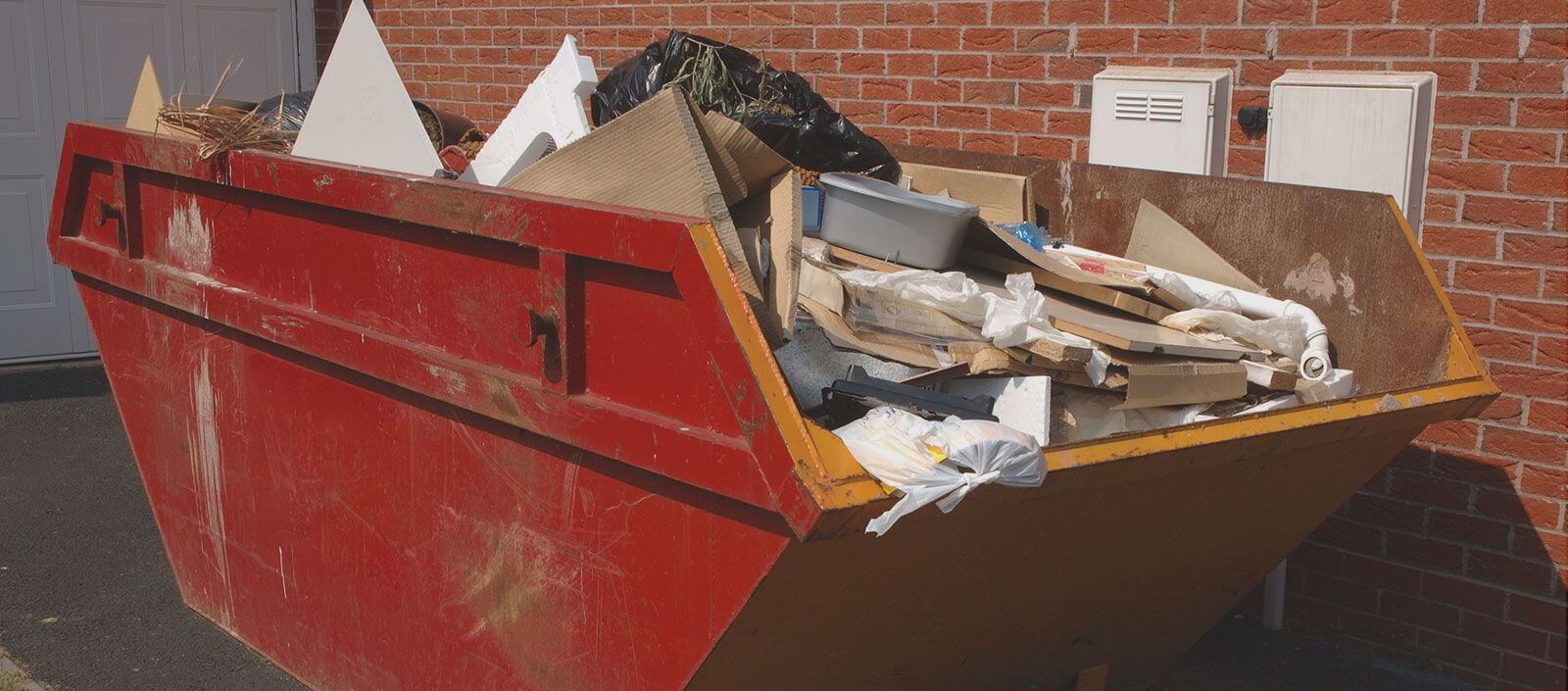
Waste Removal Twickenham provides waste removal in Twickenham for households, landlords, trades and local organisations that need rubbish taken away in a straightforward way. The service covers day-to-day clearances as well as larger jobs that need more than a standard bin collection, with practical handling for mixed loads, bulky items and general rubbish. If you are planning a clear-out, replacing furniture or making space after building work, the aim is to keep the process organised and simple.
Our main service is built around collecting waste from the place where it has built up and moving it on for appropriate handling. That may mean single items, bagged rubbish, heavier household pieces or debris from ongoing work. For readers who want a broader view of what is available, the services overview sets out the main options, while the waste removal service page covers the core offering in more detail.
When you are ready to compare options or ask about a specific load, use the information on the site to shape a clear enquiry. You can review pricing and quotes before deciding how to proceed. If you would simply like to talk through the job, send an enquiry today and ask for a quotation in the way that suits you best.
Rubbish collection for mixed household and general waste
General rubbish collection is often the simplest solution when unwanted items are already gathered and ready to go. This can include bagged rubbish, broken household items, packaging, old storage contents and other non-hazardous material that no longer has a place in the property. A focused collection helps keep the job tidy, especially when waste has accumulated in more than one room or has been left after a move, refurbishment or major sort-out.
The rubbish collection in Twickenham page is a useful place to start if you want a service centred on mixed loads rather than one item alone. For householders, the domestic waste collection option is designed to fit everyday domestic clearances, while larger or more awkward items may call for a more specific approach. If you are unsure whether your load is best treated as general rubbish or part of a larger clearance, it is usually better to describe the contents clearly before booking.
Furniture, appliances and bulky item removal
Bulky waste needs a different level of handling from light bagged rubbish, particularly when items are heavy, awkward or difficult to move through narrow spaces. Sofas, wardrobes, beds, tables and similar furniture can all take extra time to remove carefully, especially if they need dismantling or planning around stairs, hallways and shared entrances. White goods and appliances may also require separate attention because of their weight and the need for proper disposal pathways.
For these jobs, the furniture removal service is a clear fit when items still need to be carried out from the property, while the furniture disposal page is useful if you are focused on getting old pieces taken away and dealt with properly. Where appliances are involved, the white goods and appliance disposal page explains that type of work more specifically. Measuring access points, noting floor levels and listing the heaviest items can make the next step much easier.
Clearances for houses, lofts, offices and gardens
Some jobs are better described as clearances rather than simple collection. A house clearance may involve several rooms, stored belongings and mixed waste that has built up over time. A loft clearance can bring extra challenges because of restricted access, limited headroom and dustier or more awkward contents. Office clearance work tends to involve desks, chairs, filing, packaging and redundant equipment, often in a setting where access and timing need to be considered carefully.
The house clearance page is relevant where domestic contents need to be removed as part of a fuller clear-out, while the loft clearance and office clearance pages cover those settings more precisely. Outside spaces can need attention too, and the garden waste removal page reflects the sort of cuttings, branches and organic debris that can gather after maintenance work. A clear summary of what must stay and what must go is often the most useful starting point.
About Twickenham
Twickenham is a riverside district in south-west London, best known for its long association with the River Thames and with rugby at Twickenham Stadium. The settlement grew from a Thames-side village into a suburban town with a layered history that still appears in its streets, riverside walks and older buildings. Marble Hill House, an early eighteenth-century Palladian villa set in parkland near the river, remains one of the area’s most notable historic houses, while York House and its gardens add another layer of architecture and landscaped public space. The district also includes stretches of the Thames Path, which links open waterfront views with quieter residential roads and local parks. Twickenham Green, Radnor Gardens and Orleans House Gallery are among the places that give the area a strong civic and cultural identity. The town centre combines Georgian and later buildings with shops, pubs and local facilities, while the river, meadows and conservation spaces provide an important sense of openness. Transport links, including the railway station and road connections into Richmond, Teddington and central London, have long shaped the way the district functions. Twickenham’s character is often described through its mixture of suburban calm, sporting heritage and river scenery, but it is also a place with a distinct local history that stretches from royal connections and riverside estates to modern residential development.
Commercial waste and trade clearances
Businesses often need waste removed in a way that fits trading hours, floor space and the type of material being cleared. Office contents, shop fittings, packaging, archived paperwork, display items and general commercial rubbish can all build up quickly when premises are being reworked or refreshed. A commercial clearance needs a sensible plan so that unwanted items leave the site in an orderly way without disrupting the day more than necessary.
The commercial waste removal page is the most direct place to look if your enquiry relates to business premises, while the office clearance service is better suited to desks, chairs and workplace contents that need to be taken out together. For building-related debris, the builders waste disposal page covers rubble, offcuts and site leftovers that arise during renovation or refurbishment. Tell us what type of waste is involved, whether anything is especially heavy or awkward, and how the access works.
- Single-item collections are useful for one bulky object that is hard to dispose of separately.
- Mixed-load clearances suit jobs with several kinds of rubbish gathered together.
- Room, loft or office clear-outs are better when the waste is spread across a larger space.
- Trade and builders waste needs a different approach from ordinary household rubbish.
Pricing, payments and what affects the quotation
Waste removal costs usually depend on the volume of material, the weight of the load, the type of items involved and any extra handling needed for access. A small collection from an easy ground-floor location is not the same as a clearance that involves stairs, disassembly or several separate piles. If waste includes appliances, heavy furniture or construction debris, that can also influence the way the job is planned and priced. Clear information helps keep the quotation realistic from the outset.
For a simple explanation of the way figures are presented, the prices page and the pricing and quotes page are both worth reading. If your priority is secure payment handling, the payment and security page gives a useful overview of that side of the process. It also helps to note any items that may need special care, because the more accurate the description, the easier it is to understand the likely scope of work. Send the details that matter most and ask for a quotation.
Responsible handling, compliance and sustainability
Good waste removal is not only about taking items away; it is also about handling them responsibly afterwards. Different kinds of material call for different destinations, whether that means reuse, recycling or another compliant route. Clear separation at source can make a practical difference, especially when a load contains a mix of metal, wood, plastics, textiles, cardboard or general rubbish. Some items may also require more careful treatment because of their size, condition or composition.
The recycling and sustainability page explains the approach to material handling in more detail, while the waste carrier licence and compliance page is useful for readers who want to understand the compliance side of the service. For households and businesses alike, this is often the point where a quick collection becomes a better-organised disposal plan. If you are comparing providers, it makes sense to check what is said about handling methods before you book.
Before you request a quote, it can help to keep the description practical rather than general. A short list of item types, an idea of how much space the waste occupies and any access limits will usually be more useful than a broad summary. If you have photographs, they can support the description, but a written outline is still important. Two or three clear details are usually enough to start the conversation, and the final step is simple: contact us for a quotation when you are ready.
Planning your collection with less disruption
Waste removal works best when the collection can be planned around the layout of the property and the nature of the load. That may mean separating items that will stay from those that will go, leaving clear access to the main pile and checking whether any contents are fragile or particularly heavy. Where waste is spread across more than one floor or includes pieces that need to be dismantled, a little preparation can help the job move more smoothly and reduce delays on the day.
For many people, the simplest approach is to decide on the service type first and then build the enquiry around that. A general rubbish load may only need the rubbish collection option, while a fuller home clear-out may be better suited to the house clearance page. If the job includes unwanted furniture, the relevant furniture page can narrow the request further. A brief call to action is often enough here: gather the basics, decide what must be removed and then request a quotation.
Useful details for a quotation include the type of waste, the approximate amount, whether items are indoors or outdoors, and any access notes that may affect loading. If you have a preferred time frame, mention that too. The aim is not to overcomplicate the request, but to make sure the information you send is specific enough to be useful.
Choosing the right waste removal page for your job
Different clearances overlap, but choosing the closest service page helps keep the enquiry focused. A loft packed with stored items is not the same as a garden full of cuttings, and neither is the same as a shop or office strip-out. By matching the type of waste to the right page, you make it easier to explain the job in the terms that matter most, which in turn makes the quotation process more straightforward.
The site also includes a wider about us page for readers who want to understand the business in general, together with an accessibility statement for visitors using the website. These pages do not replace a service enquiry, but they can be helpful when you are checking how the site is organised and what information is available before contacting anyone. If you are still deciding between a few service types, keep your description broad but accurate and ask which option fits best.
When the waste is already gathered, the next step is simple: send a clear description, mention any bulky pieces and request a quotation. If you prefer to review the service structure first, browse the relevant page and then come back to the main enquiry point. For a final enquiry, use the contact page and tell us what needs removing.