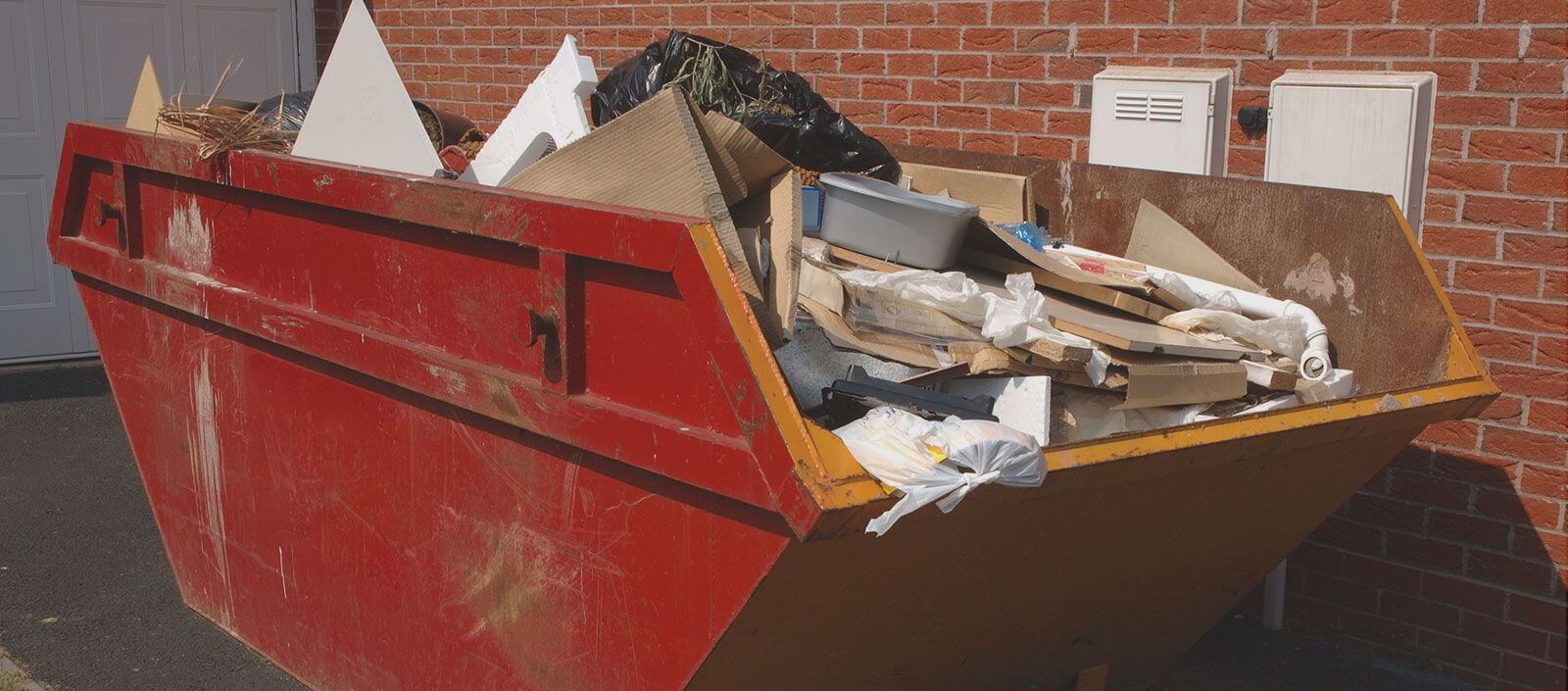
King Street Twickenham junk removal guide for shops
Posted on 02/09/2026
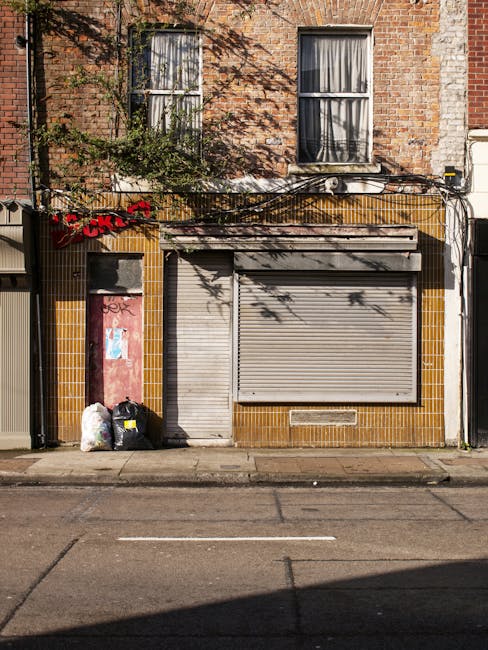
If you run a shop on or near King Street, waste has a way of building up fast. Cardboard arrives in stacks, broken display fittings linger in the stockroom, packaging fills the back corridor, and one busy week can leave you wondering where the floor went. This King Street Twickenham junk removal guide for shops is here to make the whole job simpler, safer, and far less disruptive.
Whether you manage a boutique, a cafe with retail shelves, a salon, or a small independent store, shop rubbish removal is not just about "getting rid of stuff." It is about keeping the business presentable, protecting staff and customers, reducing trip hazards, and handling waste in a way that feels organised rather than frantic. And, to be fair, a tidy shop back-of-house usually makes the front of house run better too.
Below, you will find a practical local guide covering how shop junk removal works, what to clear first, what to avoid, how to stay compliant, and how to choose the right removal method for your situation. There is a lot to think about, but it does not need to be complicated.
Why King Street Twickenham junk removal guide for shops Matters
King Street is the kind of place where presentation matters. Shops need to look open, tidy, and easy to walk into. A pile of old fixtures by the till, broken shelving behind a curtain, or a line of flattened boxes outside the back door can quickly create a bad impression. For customers, mess suggests disorganisation. For staff, it creates friction. For business owners, it quietly eats time.
In a busy retail area, junk removal also has a practical side. Deliveries come and go. Seasonal stock changes. Refits happen. Promotions end. Suddenly you are left with surplus materials, damaged stock, old signage, packaging waste, and perhaps a fridge, freezer, or heavy display unit that no longer fits the layout. This is where a proper removal plan helps.
There is also a safety angle. Bags left in walkways, loose timber, shattered fittings, and overflowing cardboard can increase the risk of slips and trips. If your team is carrying stock in and out all day, even small obstructions start to matter. One awkward corner, one wobbly stack, and you have a problem nobody wants.
Local businesses in Twickenham often work in compact spaces, so the difference between "stored for later" and "needs to go now" can be surprisingly thin. A sensible clearance routine keeps the premises easier to manage, and it can make the whole operation feel calmer. That sounds simple, but it really does change the rhythm of the day.
Expert summary: good junk removal for shops is not just clean-up work. It is a small operational system that protects your space, your team, and your customer experience.
For businesses handling larger mixed loads, it can help to understand the broader picture of commercial waste removal in Twickenham, especially if your shop creates regular non-domestic waste rather than one-off clutter.
How King Street Twickenham junk removal guide for shops Works
Shop junk removal usually starts with sorting. Not glamorous, I know. But sorting is what keeps costs down and prevents usable items from ending up in the wrong stream. A proper clear-out generally separates unwanted items into a few broad groups:
- cardboard, paper, and packaging
- broken shop fittings and shelving
- damaged stock or end-of-line items
- electrical equipment and appliances
- furniture, counters, and display units
- general mixed rubbish
- items suitable for reuse or donation
Once you know what you have, you can decide the best way to remove it. Some businesses only need a small collection after a stock change. Others need a larger clearance after a refit, lease break, or relocation. Truth be told, the worst job is the one where nobody has sorted the mess before the removal day. Everything becomes slower, heavier, and more expensive-looking than it should.
Many shop owners on King Street prefer a same-day or near-same-day collection window because it reduces downtime. That can be especially useful if you are clearing space before a new display goes in or before the landlord inspection. If timing is tight, a service designed for fast turnaround, such as fast same-day rubbish pickup, may be useful as a planning reference even if your own job is smaller in scale.
The practical process usually follows this pattern:
- Assess the waste - identify what is being removed and how much space it takes up.
- Separate reusable items - move saleable or donate-worthy stock aside first.
- Check access - think about stairs, narrow corridors, rear entrances, and loading areas.
- Choose a removal method - one-off pickup, mixed waste collection, or larger clearance.
- Schedule collection - ideally at a quiet time so trading is not disrupted.
- Confirm disposal route - recycling, reuse, or responsible disposal.
That final step matters more than people expect. Responsible removal is not just about "taking it away"; it is about knowing it has been handled properly afterwards. If you want more context on how a wider service is arranged, the services overview page is a useful place to understand the available options.
Key Benefits and Practical Advantages
The obvious benefit is that your shop becomes tidier. But the real value goes further than that. When junk removal is managed well, you usually gain time, reduce friction, and create a better environment for both staff and customers.
1. Better use of floor space
Retail space is expensive, even in smaller town-centre units. Old shelving, packaging waste, and unused fixtures can swallow valuable storage and circulation space. Clearing them out makes stockroom movement easier and can even improve the front-of-house experience.
2. Safer working conditions
A cluttered back area is a common source of avoidable accidents. Remove the clutter and you reduce trip risks, blocked exits, and awkward lifting conditions. That is especially important when staff are carrying cartons or handling breakables.
3. Faster refits and stock changes
Seasonal refreshes are much smoother if the old material is already organised for collection. Instead of wrestling with forgotten fixtures on the morning of a refit, you can focus on the change itself.
4. A cleaner brand image
Customers notice what is near the entrance, even if they do not consciously register it. Old boxes, damaged signage, and mixed junk send the wrong signal. A clean shopfront and tidy back area help you look dependable. It really does matter.
5. More sustainable disposal choices
If you separate items properly, more of them can be recycled or reused. That is good for the environment, and often better for the business too. If sustainability is part of your operations, the recycling and sustainability guidance may be worth a look alongside your own waste plan.
Who This Is For and When It Makes Sense
This guide is useful for independent shop owners, franchise managers, landlords preparing a unit, and tenant businesses dealing with a handover. In practice, it is for anyone running a commercial premises where waste builds up beyond the usual bin routine.
Common scenarios include:
- a boutique replacing old rails, mannequins, or display boards
- a cafe-shop clearing broken small appliances or storage items
- a salon removing worn furniture, packaging, or refurbishment waste
- a convenience store dealing with damaged stock packaging and old POS materials
- a leased shop being emptied before inspection or end of tenancy
- a new tenant taking over premises with leftover junk from the previous occupier
It also makes sense if your team is wasting too much time moving rubbish around the back room instead of serving customers. That might sound minor, but a business can feel permanently "in cleanup mode" if waste is never properly scheduled.
There is also a point where shop junk removal is no longer just a one-off tidy-up and becomes part of a regular routine. If that sounds familiar, a broader waste service may be more appropriate than occasional ad hoc collections. For recurring needs, waste removal in Twickenham may be more practical than trying to improvise each time.
Step-by-Step Guidance
Here is a practical way to handle shop junk removal without losing half a day to guesswork.
- Walk the premises first
Start with a full walk-through. Check the shop floor, stockroom, cellar if there is one, rear access, and any side areas used for storage. Make a quick list of what is staying, what is being recycled, and what has to leave. Do not skip the awkward corner by the door. That is usually where the mystery clutter lives.
- Group items by material and weight
Cardboard is light but bulky. Old metal fixtures can be dense and awkward. Electrical items may need separate handling. Grouping by type makes collection safer and more efficient.
- Identify anything reusable
Some items can be reused internally, sold on, or passed to another branch. A perfectly good shelf, a working fridge, or a sturdy desk does not need to become waste just because the layout changed.
- Remove hazards first
Broken glass, loose nails, damaged timber, and frayed cables should be made safe before anyone tries to shift larger items. This is one of those moments where slowing down actually saves time.
- Prepare access points
Make sure the route out is clear. Open gates if needed, reserve loading space if possible, and let staff know when removal will happen. If you are near a busy stretch of King Street, timing matters even more.
- Choose the right collection type
Small amounts may suit a straightforward rubbish collection. Larger or mixed loads may be better handled through a more comprehensive clearance. If you are emptying a shop unit rather than removing a few bags, the difference matters.
- Confirm what cannot be taken
Some materials need special handling. If you have items with residual chemicals, gas canisters, or damaged specialist equipment, stop and assess them separately. Better to ask first than to create a problem at the curb.
That sequence is not fancy, but it works. The businesses that do this well tend to treat removal like a small project, not a panic reaction.
Expert Tips for Better Results
If you want a smoother clearance, a few small habits make a big difference.
- Book around trading patterns. Early morning or after closing is usually less disruptive than peak footfall hours.
- Photograph bulky items before removal. It helps you keep track of what is going and gives everyone a clearer shared view.
- Keep recyclable materials separate. Mixed waste is harder to handle and often less efficient.
- Measure doorways and stairwells. A display cabinet that looks manageable in the shop can become a problem at the exit.
- Label everything that stays. During a clear-out, unlabeled items have a habit of getting caught in the wrong pile. Annoying, but common.
- Plan for dust and noise. Moving old fittings can be surprisingly loud, especially on hard floors. Warn staff and nearby businesses if needed.
- Use a short decision rule. If you have not used it in 12 months, and it has no future purpose, question whether it should stay.
One useful trick is to create a "keep, recycle, remove" triage zone near the back of the shop. It sounds a bit officious, but it stops people from re-stacking uncertainty into a corner and calling it organisation.
For shop owners who care about reducing unnecessary packaging as well as clearing it, the plastic reduction ideas article is a nice reminder that small material choices add up over time. Different context, same principle: less waste is easier to manage.

Common Mistakes to Avoid
Shop clear-outs go wrong in predictable ways. The good news is that most of them are avoidable.
Leaving everything for one giant pile
This is the classic mistake. It feels efficient at first, but a mixed heap makes sorting slower and disposal harder. It also raises the chance of damage or unsafe lifting.
Ignoring access restrictions
King Street properties can vary a lot in layout. Rear access, loading times, narrow paths, shared entrances, and neighbouring businesses all affect the plan. Assuming access will "just work" can lead to delays.
Forgetting about electrical items
Old tills, fridges, microwaves, display screens, and other electrical equipment may need special handling. Do not toss them in with general rubbish and hope for the best.
Not separating reusable stock
One shop's clutter can be another business's useful inventory. Reusable items should be identified before the removal day or they may disappear with the rest.
Poor communication with staff
If your team does not know what is being removed, they may keep using the same storage space or accidentally add items to the pile. It happens more than you would think. A five-minute briefing solves a lot.
Choosing cost over suitability alone
The cheapest option is not always the best one. If a removal is poorly timed or cannot handle the full load properly, you may end up paying twice. Not ideal.
If you want a better feel for how costs are often shaped, this local cost guide is a sensible companion read. It can help you think more clearly about load size, access, and service scope before you book.
Tools, Resources and Recommendations
You do not need a huge toolkit to manage shop junk removal, but a few basic items help a lot.
| Tool or resource | Why it helps | Best use |
|---|---|---|
| Marker pens and labels | Helps you sort items quickly and avoid confusion | Before and during the clear-out |
| Heavy-duty bags | Makes small waste easier to handle safely | Packaging, soft rubbish, mixed light waste |
| Tape measure | Useful for bulky furniture and access checks | Displays, shelves, counters, large equipment |
| Mobile phone camera | Lets you record what is being removed | Planning and later reference |
| Gloves and protective gear | Reduces cuts and contact with dust or debris | Handling rough or broken materials |
| Waste schedule or checklist | Keeps the process organised and less stressful | Refits, tenancy changes, stockroom clearances |
For shops that need regular disposal rather than one-off help, a planned collection routine is usually better than ad hoc solutions. The broader rubbish collection option can be useful where your waste is smaller and more frequent. If you have larger quantities or a mixed commercial load, you may want to look instead at a dedicated commercial waste removal approach.
For premises with old shop furniture, display units, or seating areas, related pages like furniture removal and furniture disposal can help when the main task is getting bulky pieces out without damaging the shop.
Law, Compliance, Standards, or Best Practice
Commercial waste in the UK should be handled carefully and by people who are properly authorised to carry it. For shop owners, that means checking the basics rather than guessing. You do not need to become a waste-law expert, but you do need to be sensible.
Good practice usually includes the following:
- keeping waste separated where practical
- making sure waste goes to a legitimate carrier
- storing waste safely until collection
- keeping access routes clear for staff and customers
- being cautious with electrical items, heavy objects, and sharp debris
It is also sensible to confirm that the company handling your waste operates with the right licensing and compliance procedures. That protects you as much as it protects the environment. If you want a straightforward explanation of what to look for, the waste carrier licence and compliance page is a useful point of reference.
For businesses that want a cleaner sustainability story, responsible disposal can support broader housekeeping too. Recycling, reuse, and reduced contamination all make the process more efficient. On a practical level, that means not throwing everything into one bag and hoping nobody notices. Slightly blunt, but true.
Where health and safety is concerned, the safe handling of heavy items and clear walkways is just common sense, though in a retail unit common sense still needs to be written down sometimes. If your team is moving bulky stock or awkward debris, it is worth reviewing your own site procedures and ensuring everyone knows who is responsible for what.

Options, Methods, or Comparison Table
Different shop clear-outs call for different methods. The right one depends on the amount of waste, the type of waste, and how quickly you need the space back.
| Method | Best for | Pros | Watch out for |
|---|---|---|---|
| Small mixed rubbish collection | Bags, packaging, light clutter | Quick, simple, low disruption | Not ideal for bulky fixtures |
| Bulky item removal | Shelving, counters, fixtures, shop furniture | Handles awkward items well | Needs access checks and planning |
| Full shop clearance | End of tenancy, refits, major decluttering | Comprehensive and efficient | Requires more preparation |
| Recurring commercial waste service | Regular ongoing waste output | Predictable and tidy over time | Less suited to one-off projects only |
If your shop is clearing out office-style rooms, back-office desks, printers, or file storage, office clearance may be closer to your needs than general shop rubbish removal. That is one of those distinctions people often miss until the last minute.
Case Study or Real-World Example
Imagine a small independent shop near King Street preparing for a seasonal refresh. The owner has old display plinths, two broken shelving units, dozens of flattened boxes, packaging from recent deliveries, and a pile of outdated promotional material. Nothing dramatic. Just that steady drift of stuff that builds up when the business is busy.
At first, the owner thinks the team can deal with it piece by piece. But the stockroom is cramped, and every attempt to move one item creates another blockage. The old shelves are too awkward to fit into a car, the boxes take up more volume than expected, and the back room starts to look worse before it looks better.
A better approach is to sort the items into four groups: keep, recycle, remove, and check separately. The reusable promotional stands are saved. The cardboard is flattened and grouped. The broken shelving is placed aside for uplift. One electrical item is identified and handled separately because it needs different treatment. The collection is booked for a quieter time slot, and the shop reopens the cleared area by the next day.
What changed? Not magic. Just a more structured approach. The owner did not need a dramatic overhaul, only a clean sequence and fewer assumptions. And honestly, that is the real lesson here.
In a slightly larger move or refurbishment, shop owners may also end up dealing with fixtures that feel closer to household furniture than shop equipment. In those cases, the related house clearance and appliance disposal pages can offer a broader sense of how bulky and specialist items are handled.
Practical Checklist
Use this checklist before you arrange a shop junk removal visit.
- Have you walked the whole shop, stockroom, and access route?
- Have you separated items to keep, recycle, and remove?
- Have you identified anything sharp, heavy, or fragile?
- Have you checked whether any electrical items need separate handling?
- Have you measured awkward furniture or shelving?
- Have you confirmed the best time for collection?
- Have staff been told what is going and what must stay?
- Have you cleared the pathway from the shop to the exit?
- Have you planned for where items will be placed before pickup?
- Have you checked the removal provider's compliance and waste-handling approach?
If the answer to any of those is "not yet," that is fine. Better to catch it now than on the day when everyone is standing around with a trolley and a mildly confused expression.
Conclusion
Shop junk removal on King Street does not need to be a headache. With a little planning, a clear sorting process, and the right removal method, you can free up space, reduce risk, and keep your premises looking like a business that has its act together. That is worth a lot in a busy retail setting.
The main idea is simple: do not wait until clutter becomes chaos. Deal with it in smaller, cleaner steps, and your shop will feel easier to run. Customers notice. Staff notice. And so do you, usually the moment the back room stops fighting back.
If your shop needs help with bulky waste, regular collections, or a larger clearance project, now is a sensible time to review your options and plan the next move carefully.
Get a free quote today and see how much you can save.